Why Does Tile Last So Long in Utah?
A clay or concrete tile roof lasts so long because tile does not rot, does not lose granules and does not care much about UV. The catch is that the underlayment beneath it has a far shorter life, so a tile roof usually needs work long before the tile itself is finished.
When Does a Tile Roof Need Work?
A tile roof needs work when leaks appear under tile that still looks intact, which is the classic sign the underlayment has reached the end of its life. Cracked or slipped tiles after a storm, and sagging in the roof plane, are the others. Walking a tile roof to check causes damage, so leave that to someone who knows where to step.
- Leaks despite the tile looking fine
- Cracked or slipped individual tiles
- Any visible sag in the roof plane
What Tile Roofing Work Do You Do?
Most of Courtland Roofing's clay and concrete tile work is underlayment replacement, where we lift and stack the tile, replace the failed underlayment beneath, and relay the tile. We also replace broken tiles, rebuild flashing at walls and chimneys, and repair the valleys where tile roofs usually start leaking.
- Lift-and-relay underlayment replacement
- Broken and slipped clay or concrete tile replacement
- Flashing and valley rebuilds
- Full clay or concrete tile roof replacement
How Does a Tile Underlayment Replacement Work?
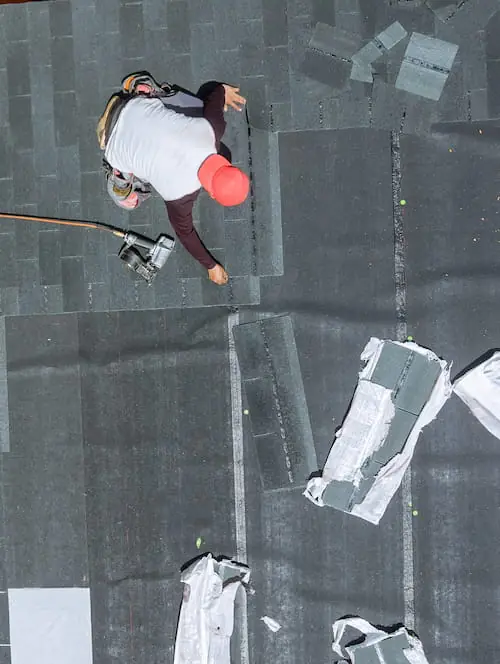
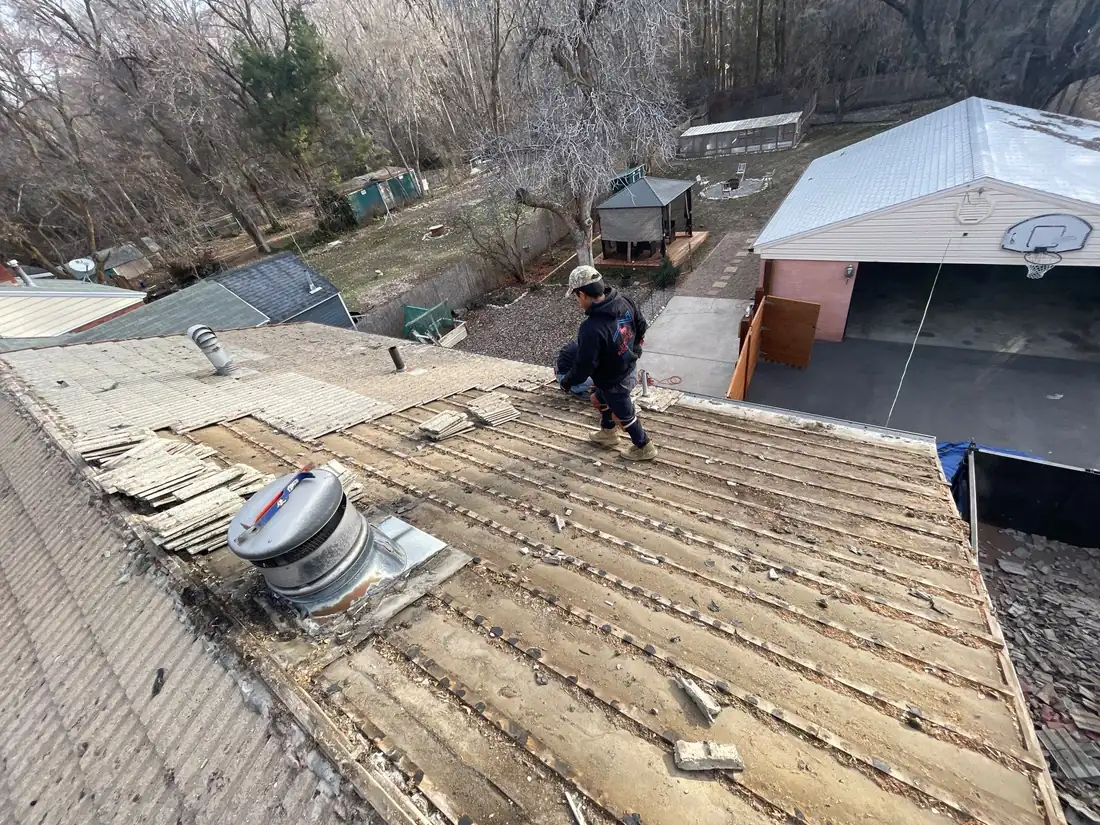
A tile underlayment replacement starts by lifting the tile carefully and stacking it on the roof, because the tile itself is usually fine and the waterproof layer underneath it is not. Reusing your existing tile is what keeps this job well below the cost of a new tile roof, and you end up with the roof you already have on a fresh underlayment.
- Lift and stack the tileHandled carefully, since sound tile is worth reusing.
- Strip and inspectOld underlayment off, deck checked and repaired.
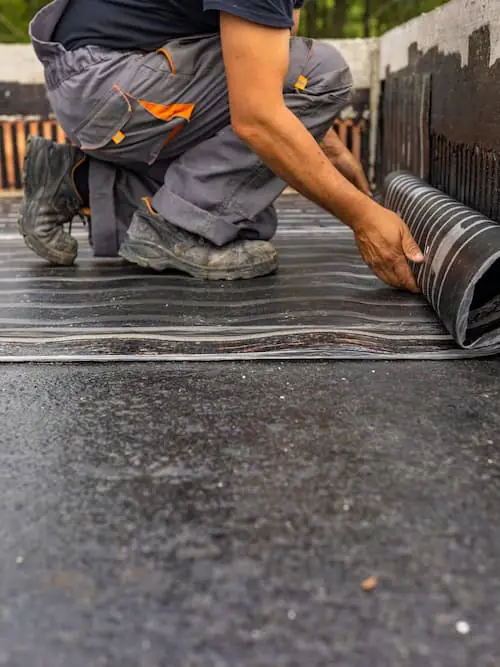
- New underlaymentRated for tile, which is a heavier and longer-lived spec.
- Relay and replaceOriginal tile goes back, broken pieces swapped out.
Who Is Courtland Roofing?
Courtland Roofing is a family-owned, licensed and insured Utah roofing company led by Coury Lloyd. Tile is unforgiving of crews who do not know it, from where to walk to how the underlayment has to be detailed, and we are honest with homeowners about the difference.
Why homeowners pick us:
- We know where to walkTile breaks under crews who do not know it. Ours do.
- Lift and relay saves your tileSound tile gets reused. You pay for the underlayment that failed, not the tile that did not.
- Underlayment rated for tileHeavier and longer-lived than shingle underlayment, because it has to outlive the tile above it.
- Honest about repair versus replacementA tile roof that leaks usually needs underlayment, not a whole new roof.

 Certified installer for GAF, CertainTeed and Owens Corning, family-owned, licensed & insured.
Where Does Courtland Roofing Provide Clay & Concrete Tile Roofing?
Courtland Roofing provides clay & concrete tile roofing across 89 cities and communities in Salt Lake, Davis, Weber and Utah Counties, plus nearby areas including Tooele, Park City, Heber City, Morgan and Brigham City. We service tile roofs in all of them.
Our service area