Common Roof Problems We See in Sandy
Sandy roofs are reaching the age where replacement becomes a real question, and the canyons are working on them the whole time. Wind out of Little and Big Cottonwood does more damage here than anything else, but it rarely looks dramatic. These are the four problems we are called out for most.
Canyon wind out of the Cottonwoods
Air funneling out of Little and Big Cottonwood hits east Sandy first. It lifts tabs, breaks seals and drives rain sideways under flashing several times a year.
Wind Damage Roof Repair→Roofs at the replacement decision
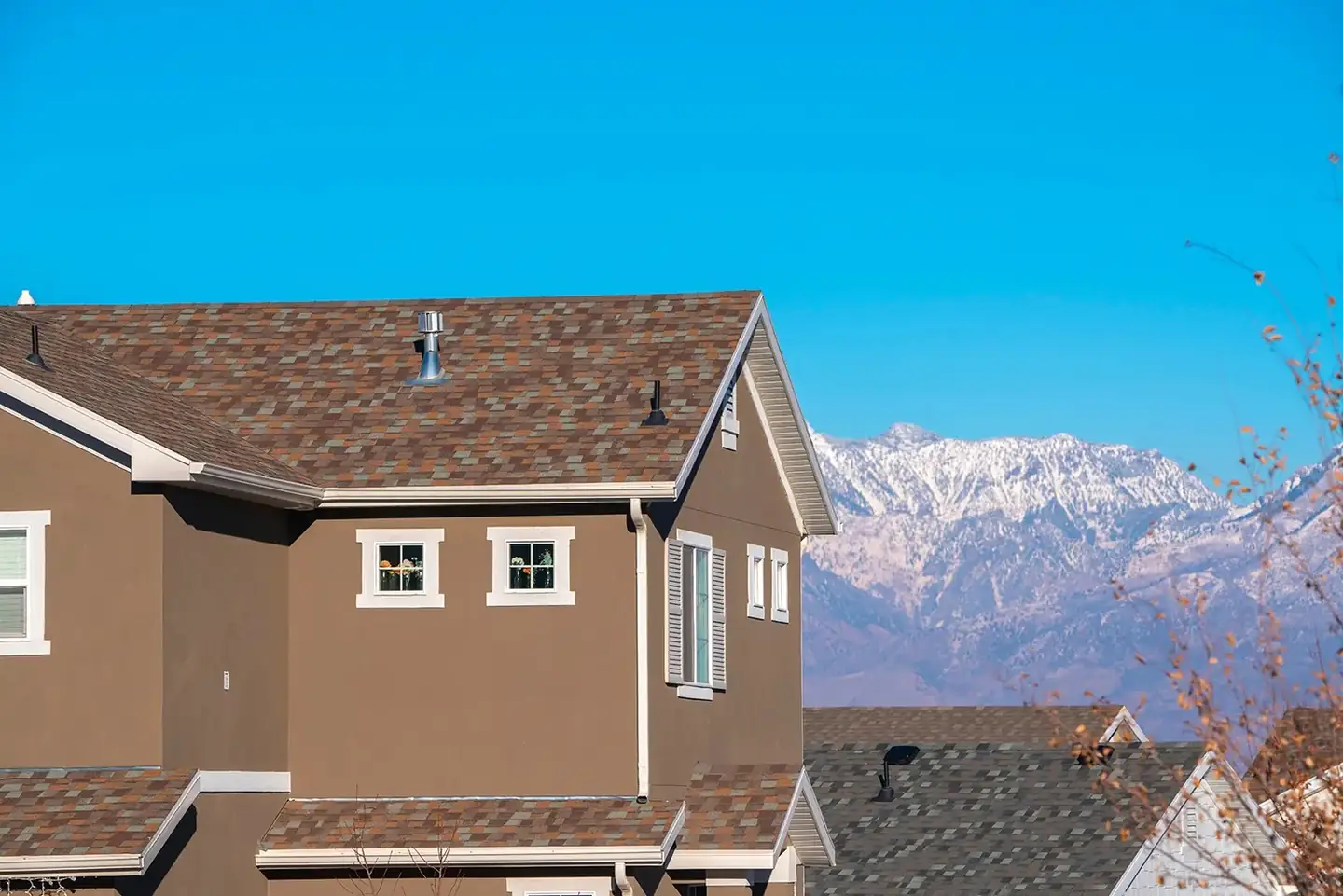
A 1985 house is usually on its first replacement roof, put on somewhere in the 2000s and now around twenty years old. That is the age where a roof could genuinely go either way, and telling a sound one from a finished one takes somebody checking the seal strips by hand.
Roof Replacement→Wind-driven rain under flashing
Most Sandy leaks are not holes in the field. They are water pushed uphill under flashing, which is why the leak appears in some storms and not others.
Roof Leak Repair→Heavier snow on the bench
East Sandy accumulates more snow than the west side and holds it longer, which is what produces the ice damming we see along the bench most winters.
Ice Dam Removal & Prevention→What Sandy Roofs Are Up Against
Sandy sits against the mountains near the mouths of Little and Big Cottonwood Canyons, where canyon-driven winds can strip shingles and drive rain under flashing. Bench homes also see heavier snow accumulation than the valley floor.
Median year built from the US Census American Community Survey; elevation from USGS.
When Does a Sandy Roof Need Replacing?
A Sandy roof typically needs replacing somewhere past twenty years, though exposure moves that date further than age does. An east Sandy roof near the canyon mouths and a west Sandy roof on flat ground can be the same age, the same shingle and the same installer. They will still be in genuinely different condition. Neither one can be judged from the driveway.
Signs a Sandy Roof Is Ready for Replacement
- A leak that only shows in certain storms, which points at wind direction and not at a hole
- Shingles curling at the corners on the sun-facing slopes
- Granule loss showing as darker patches you can see from the ground
- Ice at the eaves on the bench while streets lower down stay clear
Sandy Neighborhoods We've Roofed
Courtland Roofing has worked on roofs across Sandy, from the canyon-mouth streets on the east bench out to the valley floor.
Not seeing your street? We cover all of Sandy — call or text and we'll tell you what we usually see in your area.
How roof conditions change across Sandy
Sandy is really two roofing markets. Exposure changes sharply from the canyon mouths west, and roofs age accordingly.
- Little Cottonwood canyon mouth
- The hardest place on roofs in Sandy. Homes nearest the mouth see wind damage several times a year, not occasionally.
- Big Cottonwood and Bell Canyon
- The second canyon does the same job further north, and the bench here holds snow noticeably longer than the valley floor.
- Dimple Dell and Willow Creek
- High bench neighborhoods where ice damming follows the late snowmelt most winters.
- Historic Sandy
- The oldest housing in the city, and the part where age decides more than exposure does.
- White City and west Sandy
- Flat ground and far more sheltered. The same roof lasts measurably longer here than it does on the east side.
Nearby cities we also cover
Who We Are
Courtland Roofing is a family-owned Utah roofing company run by Coury Lloyd, licensed and insured, and a certified installer for GAF, CertainTeed and Owens Corning. The crews working in Sandy are the same crews working across Salt Lake County.
How Do I Get a Roof Quote in Sandy?
You get a roof quote in Sandy by calling or texting 801-745-5409. We come to the house, inspect the roof free of charge, and give you a written estimate. There is no showroom to visit, which keeps that overhead off your price.
Free Sandy Roof Inspection
An honest answer on what your roof actually needs. No charge, no obligation.
Roofing Services in Sandy
Roof Replacement in Sandy
Learn more →
Roof Repair in Sandy
Learn more →
Roof Leak Repair in Sandy
Learn more →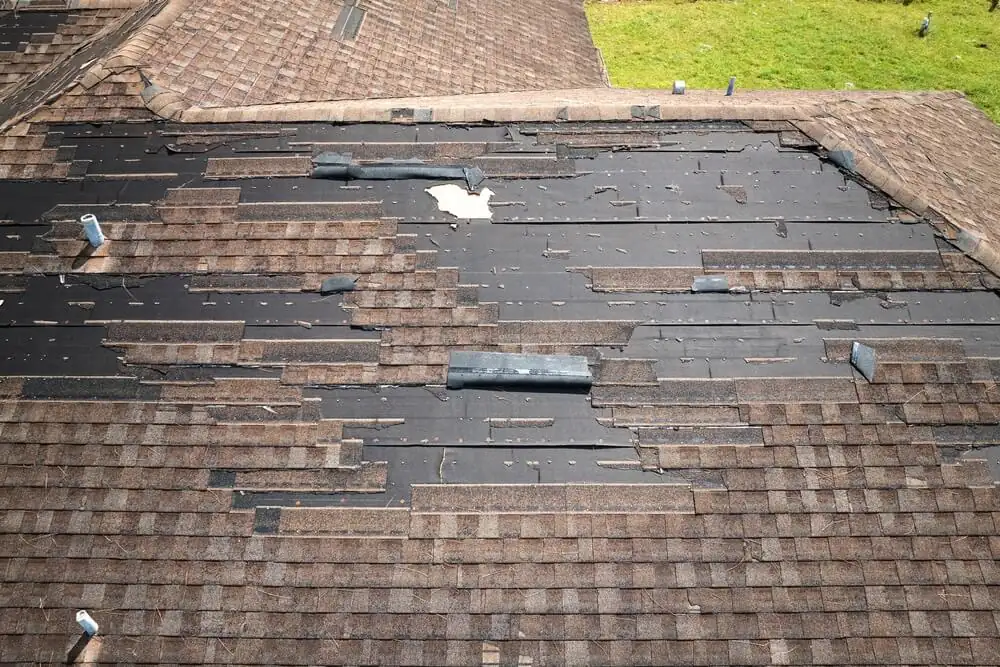
Emergency Roof Repair in Sandy
Learn more →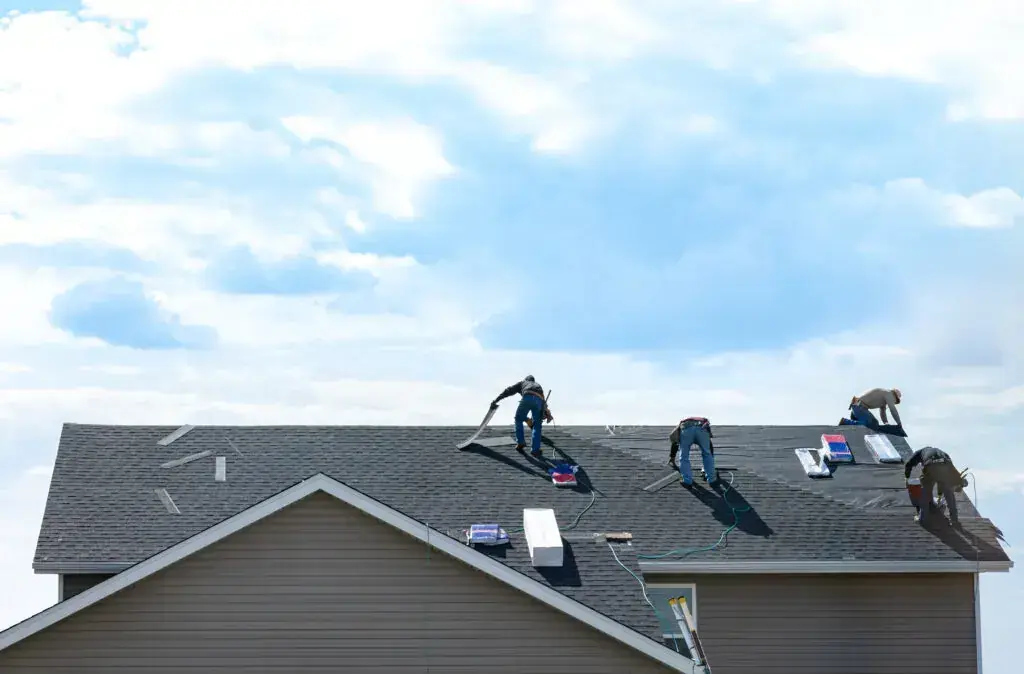
Roof Inspections in Sandy
Learn more →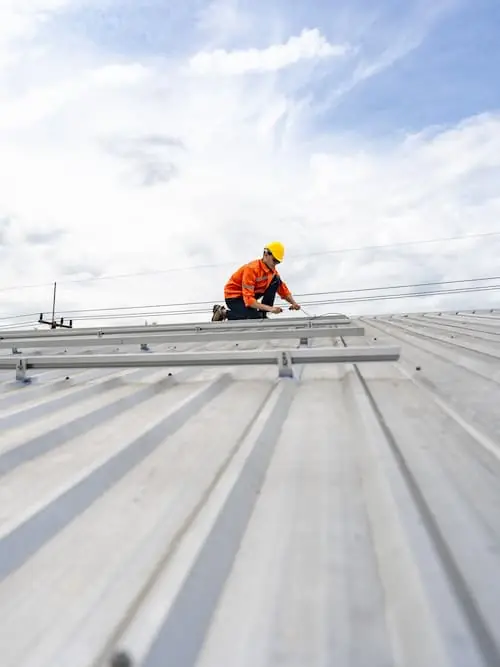
Roof Maintenance in Sandy
Learn more →Common Questions About Roofing in Sandy
Is east Sandy really harder on roofs than west Sandy?
East Sandy takes meaningfully more wind and snow than the west side, because it sits closer to the canyon mouths and higher on the bench. The same roof installed the same way will generally have a shorter life on the east side, which is worth knowing before choosing a shingle.
My Sandy roof is about twenty years old. Does it need replacing?
A twenty-year-old roof in Sandy genuinely could go either way, and we will not tell you over the phone. Three things decide it: whether the shingles are still sealed, whether the mat has gone brittle, and what the flashing is doing. We would rather tell you it has eight years left than sell you a roof you do not need yet.
Why does my Sandy roof only leak in some storms?
An intermittent leak in Sandy is nearly always wind direction. Canyon wind pushes rain horizontally and up under flashing, so the roof only leaks when the wind exposes that weak detail. A straight-down rain on the same roof does nothing at all.
Which parts of Sandy do you serve?
Courtland Roofing serves every neighborhood in Sandy, including Historic Sandy, Sandy Hills, Alta View, Granite, Willow Creek, Bell Canyon, Dimple Dell, Quail Hollow, White City, Crescent, Pepperwood and Hidden Valley. If your street is not on that list we still cover it, so call or text 801-745-5409 and we will tell you what we usually see on roofs in your area.
Do you charge for an estimate in Sandy?
Estimates and roof inspections in Sandy are free, and there is no obligation attached to either. If the roof is sound we will tell you that and leave.
Do you handle insurance claims for Sandy homeowners?
Courtland Roofing documents the damage, explains what the policy appears to cover and works directly with your adjuster, so Sandy homeowners are not left translating roof damage into claim language on their own.